In August we launched a new website for Abraham Hanson Law →, a four-practice law firm here in McMinnville. The old site was WordPress. The new one is a fast, structured-data-rich Next.js build with a full Spanish-language version.
Two weeks after launch, the numbers came back: 76 AI-search citations. Up from zero. Google impressions grew 2.7× over the old site in the same window.
*(Update, Sept 6: the full two-week export is in, and the total is even better — 104 citations in the site's first two weeks, peaking at 20 in a single day. The case study below has the day-by-day chart.)*
*(Update, Sept 17: the first full month is now in the books — 339 citations in the site's first 30 days, averaging about 14 a day and peaking at 40 in a single day, while Google impressions grew 3.9× month over month. The case study → carries the complete first-month numbers.)*
*(Update, Sept 23: the complete 30-day report is in, and the number kept climbing — 463 AI citations in 30 days, with weekly citations growing from 23 to 195 and the firm's Oregon DUII diversion guide alone earning 361. Impressions in Google's AI features, such as AI Overviews, grew 5.4×. The case study → has the full report.)*
*(Update, Oct 12: counting Google's AI features alongside Copilot, the first-month total is 2,153 AI citations — 1,690 in Google AI Overviews and related features, plus the 463 in Microsoft Copilot. The case study → carries the combined numbers.)*
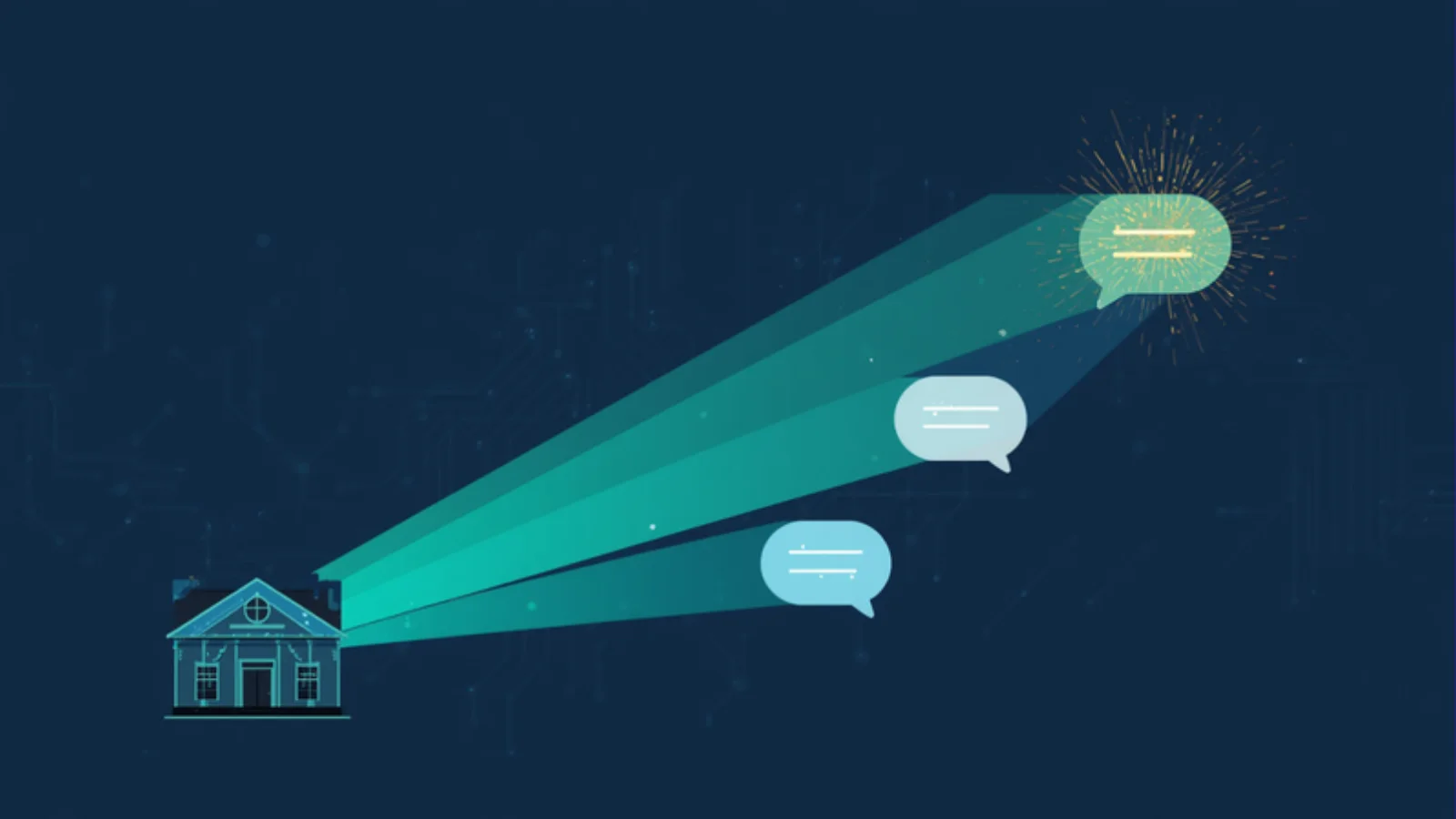
To be clear about what that means: 76 times in fourteen days, an AI search engine — ChatGPT, Google's AI Overviews, Perplexity, Copilot — answered somebody's legal question by citing this specific firm's website. Not a directory. Not an ad. The firm itself, named as a source in the answer.
For a law firm, every one of those is a warm lead arriving pre-sold. Someone asked "criminal defense attorney in Yamhill County" or "how does estate planning work in Oregon," and the machine pointed at our client.
I want to walk through exactly why this happened, because none of it was luck and all of it is repeatable.
Why AI engines cited a brand-new site
AI answer engines don't wait months to trust a site the way Google's classic rankings do. They re-crawl and re-synthesize constantly, and they cite whoever gives them the cleanest, most verifiable answer *right now*. That's the opening: most business websites — including most law firm websites — give them fog. This site gave them facts. Five layers did the work:
1. A complete entity graph
Every page carries schema.org structured data that agrees with every other page: who the firm is, where it is, what it practices, who the attorneys are. When a machine cross-checks "is this really a McMinnville law firm that handles immigration?", every signal answers the same way. Machines cite what they can verify.
2. Pages shaped like answers
Each practice area answers the questions people actually ask — plainly, with specifics, in visible text on the page. AI engines assemble answers from content that already looks like an answer. "We deliver aggressive advocacy" is not quotable. A plain-language explanation of what happens after a DUII arrest in Oregon is.
3. FAQ content that humans and machines both see
The FAQ answers aren't buried in markup — they render on the page, and the FAQPage schema matches the visible words exactly. Engines check for that agreement. Sites that stuff schema with text no visitor can see get skipped.
4. An open door for AI crawlers
GPTBot, ClaudeBot, PerplexityBot, and Google's crawlers all get clean access, plus an llms.txt file that hands them a verified summary of the firm. A lot of sites block AI crawlers by accident and are invisible on purpose without knowing it.
5. Instant indexing
The moment the site went live, every URL was submitted through IndexNow, so Bing-powered engines (which feed several AI assistants) knew about the site in minutes, not weeks. Speed matters when the whole point is being the freshest verifiable source.
"Sure, but was it a fluke?"
Fair question. It's the second time we've watched it happen.
MC Aesthetics →, a med spa we rebuilt on the same architecture, went from 95 to over 12,000 monthly Google impressions and now comes up #1 when people ask AI assistants about med spas in this area. Same method, different industry, same outcome: the business that machines can verify is the business that machines recommend.
The pattern is simple and a little unfair: almost nobody in local and small-business markets is doing this yet. The firms and shops that get cited in 2026 are mostly there because their competitors haven't started. That window will not stay open.
What your business can copy this month
You can check your own AI visibility in five minutes:
- 1Ask ChatGPT and Perplexity: *"Who is [your business] in [your town]?"* and *"Best [your service] near [your town]?"* Whatever comes back is your baseline.
- 2Open yourdomain.com/robots.txt and see whether GPTBot or ClaudeBot are blocked.
- 3Read your own homepage and count the verifiable facts — prices, timelines, places, names, numbers. That count roughly predicts your quotability.
If the answers are "they've never heard of me," "blocked," and "three," you're exactly where Abraham Hanson Law was before launch — which is the good news, because the fix is known work, not magic.
The deeper layers — the schema graph, llms.txt, crawler configuration, question-led restructuring, citation tracking — are what our Answer Engine Optimization service → does end to end. And if your current site is an aging WordPress build like our client's was, the WordPress migration path → gets you the new foundation without losing a single ranking you've earned.
The full breakdown with the launch charts is in the case study →. The numbers are real, the client is real, and the method is sitting right here.